


We chose these exhibitions because each of these shows spoke to the world as it stands, to worlds as they were, and to the worlds yet to come. Their range both materially, artistically, and philosophically, enabled us to fall into them and experience them inductively, where the rules, feelings, and ideas of each exhibition bubbled within us as we took them in. Each left us with questions and lingering feelings, which is what we want to share here.
Laura Owens
at Matthew Marks
Can joy, rigor, play, and wonder all cohabitate? Can painting be a lens to think about the histories of writing, printing, image making, decor, abstraction, and scene making altogether? Can all of these histories together tell us about ourselves, our culture, and where we’re going?
The show was so capacious in its scope, but so focused and unified in voice that it’s hard not to be inspired. Handmade books tumble out folded pages and mechanisms feel playfully anachronistic. The whole show felt like a magician pulling off their greatest feat yet, in that she showed you how she did it, and still had you applauding.
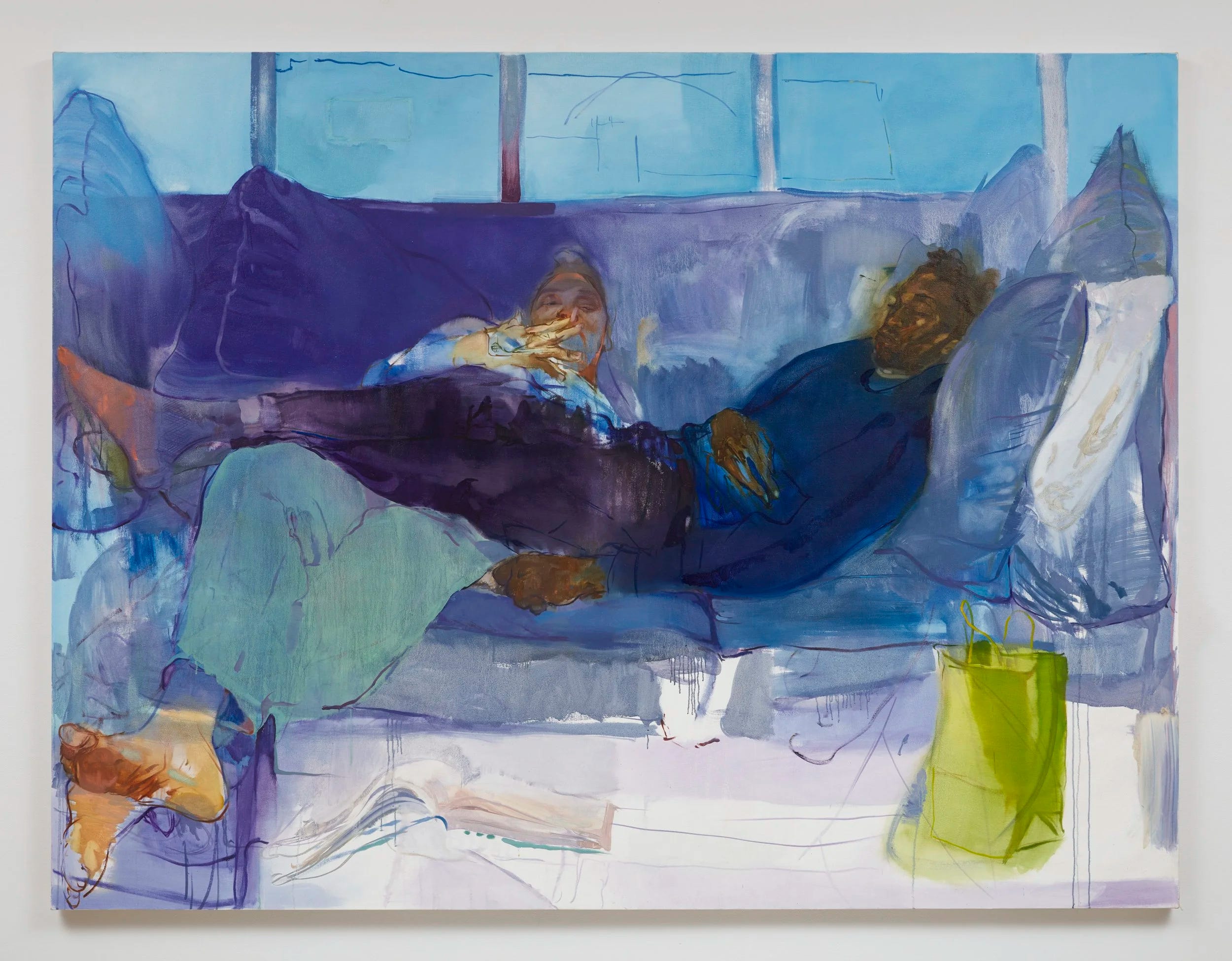
Jennifer Packer, Dead Letter
at Sikkema Malloy Jenkins
Here we quote Elizabeth Alexander, who is quoted in Jennifer’s Press Release: “What might generous observation, precision of language, representational urgency, and space for error produce? What is it to witness and be recognized in ways that transform quality and clarity of life?”
The show is overflowing with indomitable vulnerability. The paintings feel like opening a door to memories that, now opened, flood out relentlessly, beautifully, tragically.
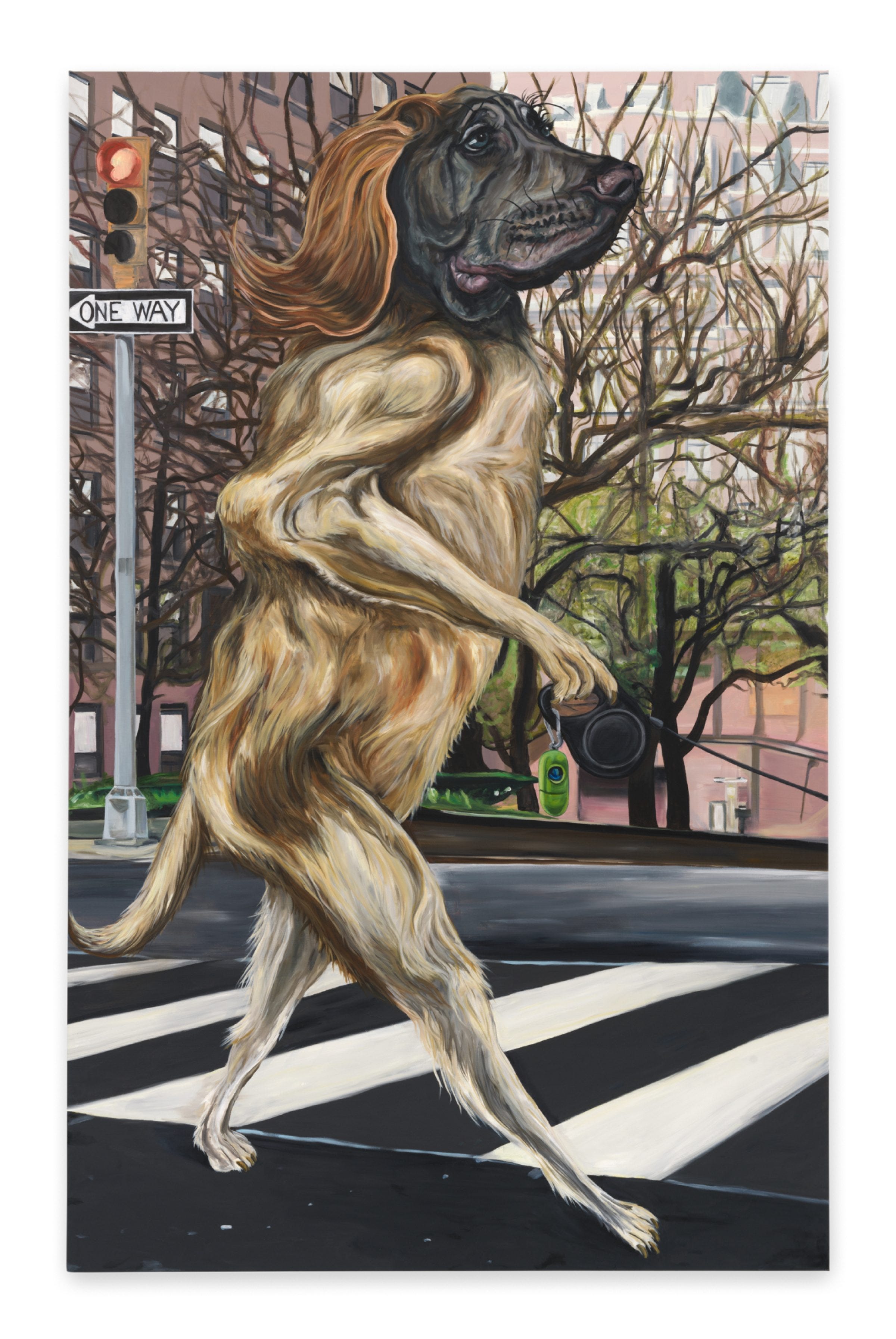
Alex Da Corte, Parade
at Matthew Marks
What is art in service of? Who is the artist serving? What is their role?
This exhibition was a distillation of a loss of innocence where hope and despair, joy and sadness were the dual souls of every artwork.
Jana Euler, The center does not fold
at Greene Naftali
What can a painting tell us about image culture with AI image generation looming largely? How do we tell a story about ourselves without a center? And are there other ways to tell stories that still make emotional sense?
Jana’s paintings are all interrelated in strange and unexpected ways. She makes this work that shouldn’t, and she creates feelings about our moment that are so bizarre and yet so spot on. You can’t help but think that yes, this is indeed an photograph of our time.
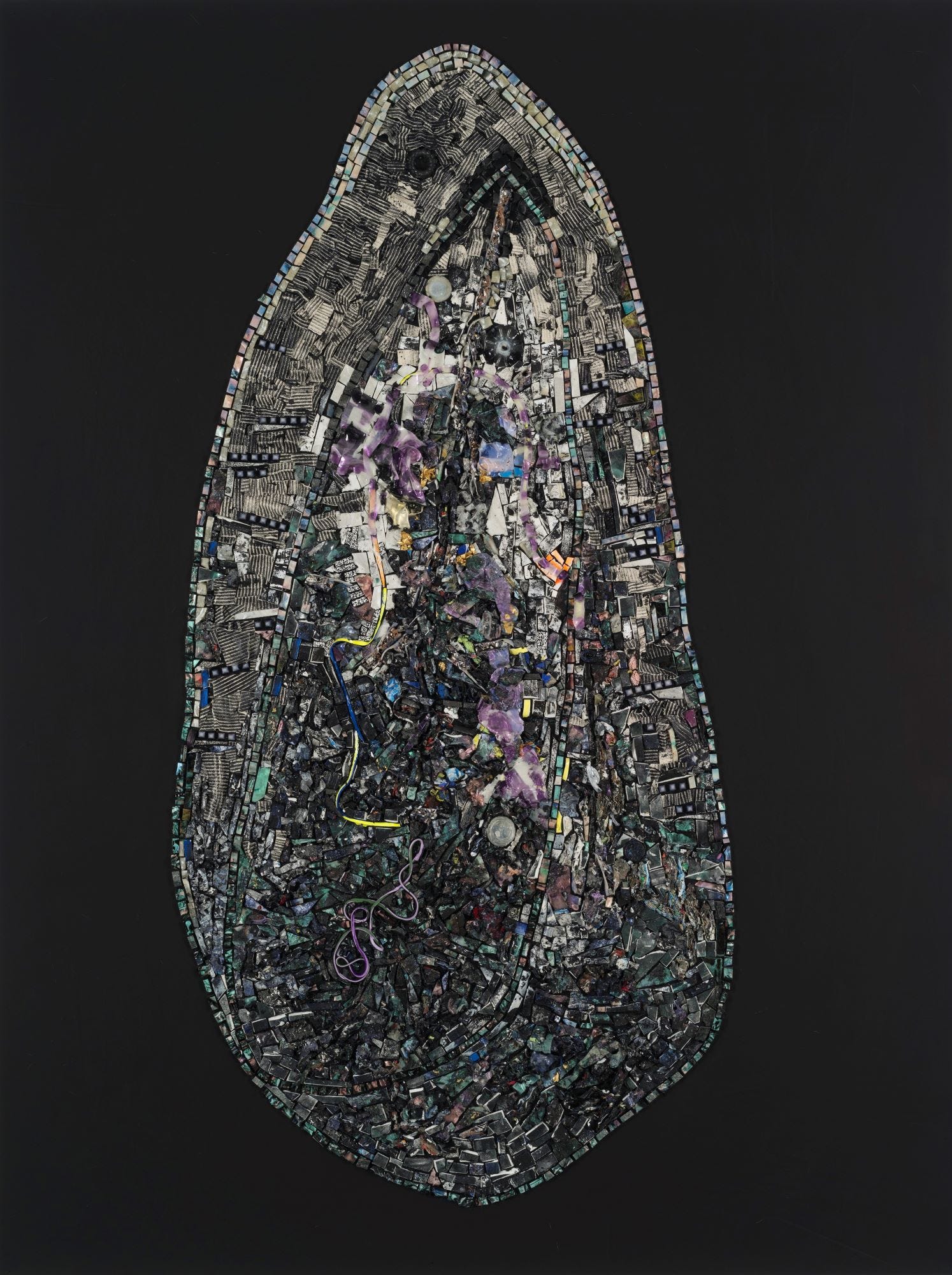
Jack Whitten, The Messenger
at MoMA
How do we rewrite art history after a figure like Jack Whitten? And how many other histories need rewriting? Is the future held in the past in ways we haven’t yet begun to unpack? How many ways can a painting tackle the canon and break it at the same time?
A show like this feels so strange because it has rearranged so much, but in that rearranging, everything suddenly seems like it’s in the place that always needed to be. The work time travels back and forth and seems to cinch history together in ways that we’ll be unpacking for years to come. Like every artist on this list, it is patently obvious that Jack Whitten believed in the possibilities of art as deeply as one could. And what are we really doing if we can’t do that?